Semiconductor Production Technician
Operates production equipment, monitors process flows, runs wafer production and keeps production records.
Suitable for vocational education and manufacturing-experienced staff.
AI compute, semiconductor manufacturing, high-performance chips, advanced packaging, intelligent servers and system integration are becoming central to technology competition and economic growth across the United States, Europe, China, Japan, South Korea, Singapore and Taiwan.
Artificial intelligence is pushing the global technology industry into a new growth cycle. From the United States, Europe and China to Japan, South Korea, Singapore and Taiwan, AI compute, semiconductor manufacturing, high-performance chips, advanced packaging, intelligent servers and system integration are becoming important directions for technology competition and economic development.
Once seen mainly as the core component of electronic devices, chips are now a pillar of AI, healthcare, finance, automotive, industrial manufacturing, telecom and digital infrastructure.
As companies worldwide keep increasing investment in AI infrastructure, the semiconductor supply chain is meeting new opportunities. Chip designers, wafer foundries, memory makers, equipment suppliers, data-center operators and small and medium technical service firms can all take part in this round of industrial upgrading.
This issue features 10 special reports covering global industry news, corporate development, investment and construction, job opportunities, personal life, and cybersecurity and chip-safety knowledge.

In 2026 the global semiconductor market is showing strong momentum. Rapid development of AI servers, data centers, high-performance computing, smart cars and next-generation communications keeps expanding demand for advanced chips.
According to data published by the Semiconductor Industry Association (SIA) on November 3, 2026, global semiconductor sales reached $517.7 billion in the third quarter, up 24.1% from the second quarter. In September 2026 alone, global chip sales reached $172.6 billion.
This growth reflects a new phase of global digital infrastructure construction. Chip demand once led by consumer electronics such as smartphones and PCs is gradually expanding into AI servers, cloud computing, industrial intelligence and high-performance data processing.
For chip makers, growth means more orders and technology upgrades; for equipment suppliers, wafer fabrication, inspection, materials and production automation systems are also expected to gain more market space.
Growth in the chip industry concerns more than tech companies — it also affects smartphones, computers, cars, home appliances and cloud services. More powerful chips bring faster computing, richer features and a more efficient digital experience.
Source: Semiconductor Industry Association, November 3, 2026.
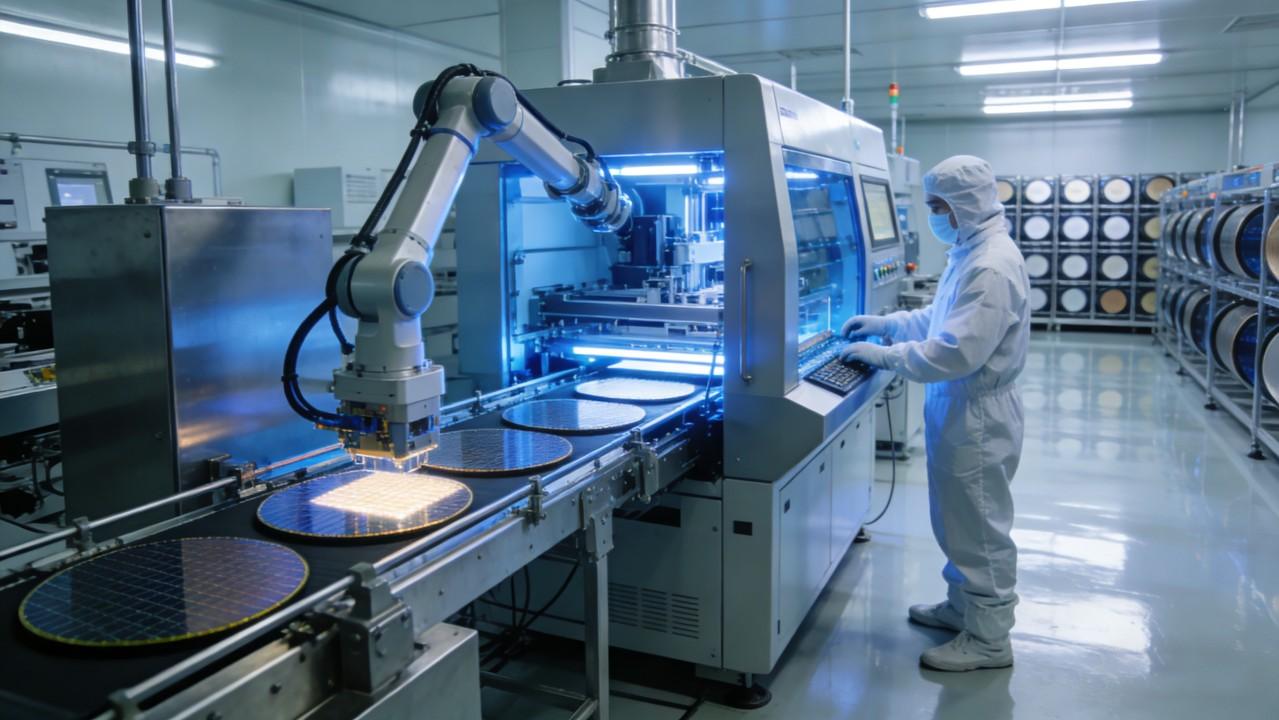
Advanced packaging has moved from a behind-the-scenes step to a key battlefield in AI chip competition.
On November 6, 2026, Reuters reported that the global AI infrastructure build-out is driving large-scale investment in advanced semiconductor packaging.
New-generation AI chips need not only powerful processors but also high-speed memory, data-transmission components and complex chip-interconnect structures. Traditional single-chip designs can no longer meet some high-performance computing tasks.
Advanced packaging combines chips with different functions into a single package, enabling faster data exchange between processors and memory and improving overall efficiency.
TSMC’s CoWoS technology is drawing global attention from the AI chip industry, while more companies seek new packaging capacity and alternative routes.
Advanced packaging is no longer just the final step of chip production — it is becoming a key factor in AI chip performance, cost and supply capability.
Advanced-packaging equipment, precision inspection, materials, automated production, cleanroom engineering and industrial software may all see new collaboration demand.
The industry needs not only chip design engineers but also equipment maintenance staff, quality inspectors, production managers, supply-chain coordinators and technical support talent.
Source: Reuters, November 6, 2026, “AI boom turns chip packaging into the next battleground for semiconductors.”
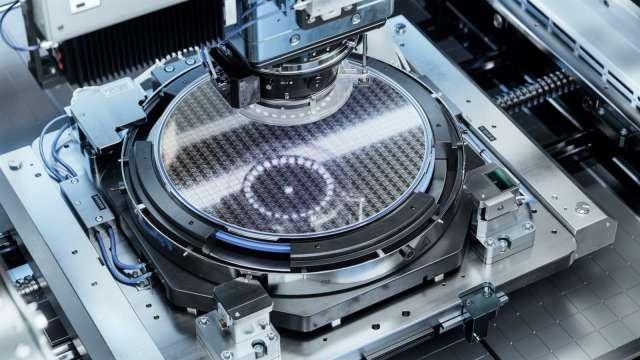
From cloud computing to generative AI, companies worldwide are building more powerful computing infrastructure.
AI models depend on strong compute support. AI assistants, smart customer service, autonomous driving, medical imaging analysis and large language model training all require servers, GPUs, network switches and storage systems working together.
Large US tech firms, European cloud operators and Asian data-center investors keep focusing on AI infrastructure.
Compared with traditional data centers, AI data centers have more complex hardware requirements — beyond GPUs and CPUs, they need high-speed networks, HBM high-bandwidth memory, advanced cooling, stable power and professional management platforms.
Large firms can improve AI service capability with their own data centers, while smaller firms can take part in server maintenance, site construction, network deployment, data management, equipment procurement and technical consulting.
Compute upgrades will gradually improve AI office work, remote education, smart healthcare, online design and digital content production. Tasks that once needed a high-performance local PC can be done through cloud compute.
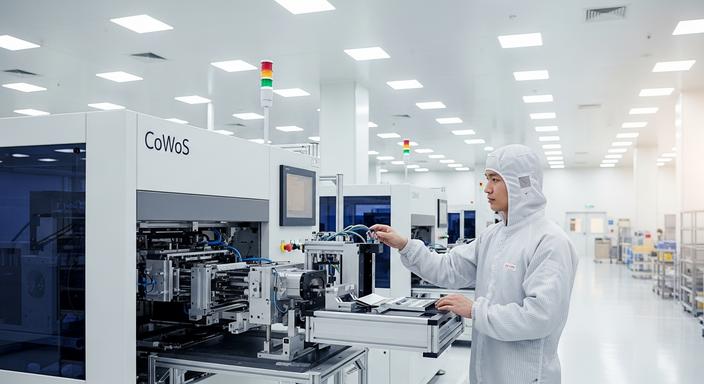
AI needs not only more powerful processors but also faster, more efficient memory.
As AI models keep growing, data-transfer speed is becoming a key factor in computing performance.
Traditional memory meets many needs of ordinary PCs, phones and servers, but large AI models must process huge numbers of parameters and data during training and inference, demanding much higher memory bandwidth.
HBM (high-bandwidth memory) has therefore become an important part of the AI chip supply chain. South Korea’s Samsung Electronics and SK Hynix and the US company Micron are all competing in the high-performance memory market.
HBM stacks multiple memory dies with advanced interconnect to raise data transfer per unit time. Working with GPUs and other processors, it helps AI systems read and process data faster.
Future AI PCs, smartphones, professional workstations and cloud AI services may all benefit from memory progress. Users can run complex models, process high-resolution images and video, and use more real-time AI features more smoothly.
Note: growing HBM demand does not mean all memory products will drop in price. When advanced-memory capacity is tight, the mainstream consumer market can also be affected by supply and demand.
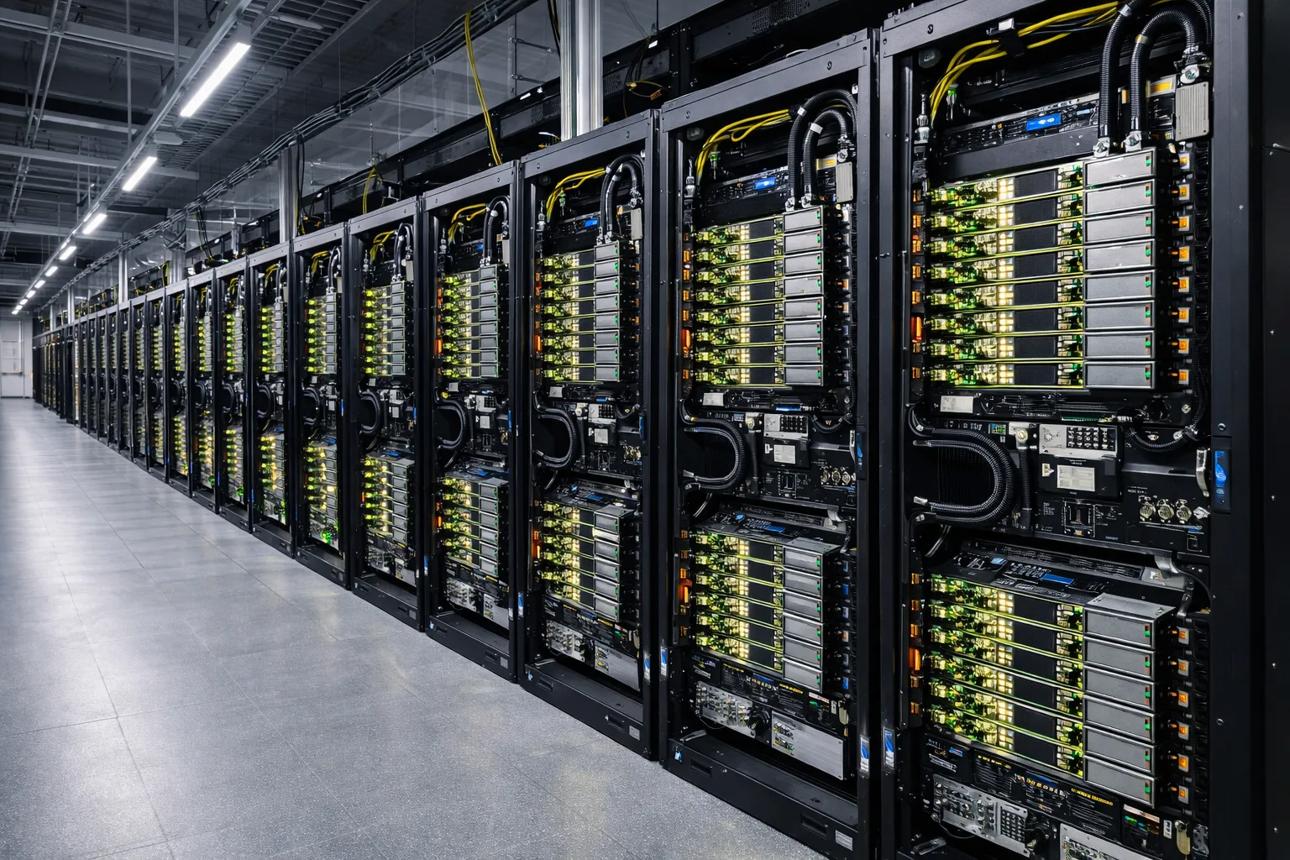
Starting from a single silicon wafer, the global chip-manufacturing industry is expanding production capacity.
Although chips are tiny, their production involves an extremely complex technology system. Wafer fabrication, lithography, thin-film deposition, etching, cleaning, inspection and packaging/testing each require high-precision equipment and expertise.
With rising demand for AI chips, automotive chips, industrial control chips and high-speed memory, fabs worldwide are reassessing capacity layout.
On October 13, 2026, SEMI released its 300mm fab equipment outlook:
These figures show the industry is not only adding orders but investing in real manufacturing capacity.
Source: SEMI, October 13, 2026, “Global 300mm Fab Equipment Spending to Reach $227 Billion in 2029.”
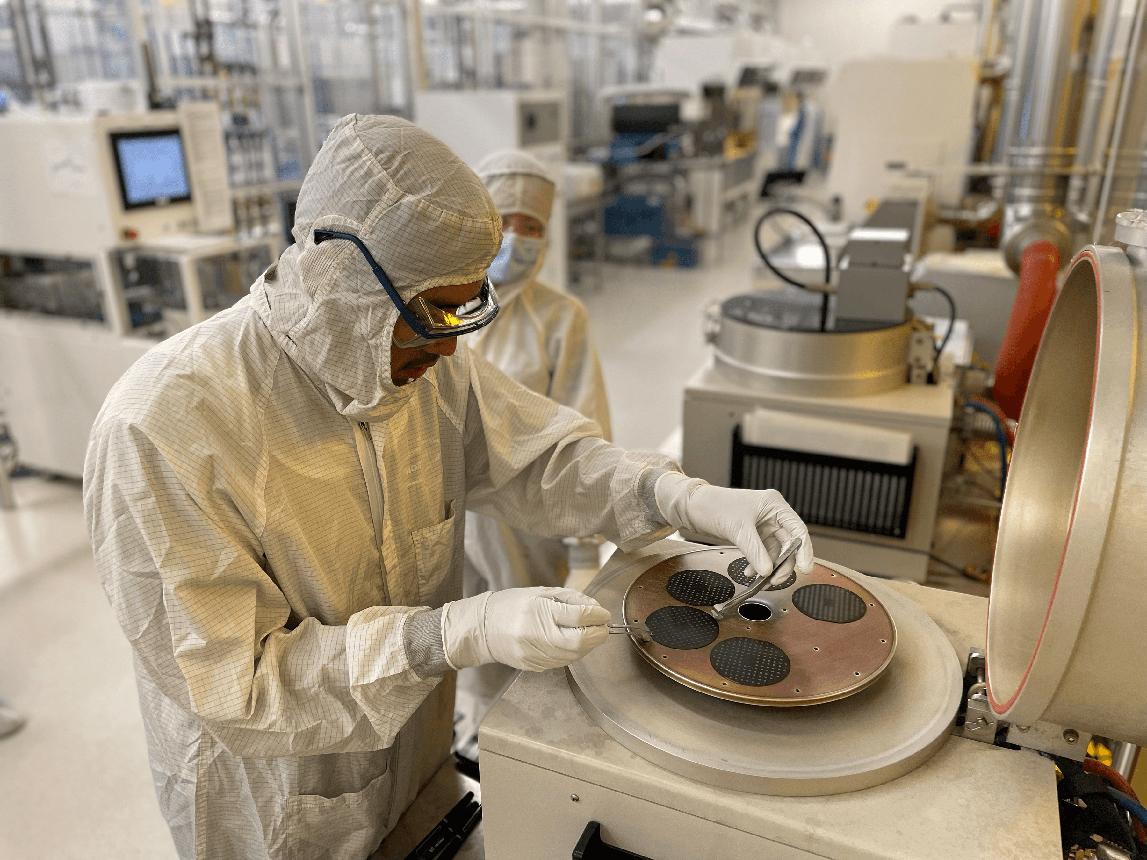
Europe is strengthening local chip production, and Ireland has become one of its important manufacturing bases.
Semiconductors matter to Europe’s economy. Automotive manufacturing, industrial automation, medical devices, energy systems and communications networks all need a stable chip supply.
On July 13, 2026, Intel announced an additional €5 billion capital investment in its Leixlip campus in Ireland to expand manufacturing capacity, upgrade existing facilities and install advanced production equipment.
The investment is linked to growing AI and high-performance computing demand, focused on production capacity for Intel Xeon 6 and next-generation Xeon processors. Intel said the project will drive demand for specialist engineering construction, equipment installation and high-tech manufacturing jobs.
Ireland is already one of Europe’s key technology and semiconductor manufacturing centers. The investment further reflects Europe’s direction of improving key-technology manufacturing capability and supply-chain resilience.
High-tech manufacturing growth creates more technical jobs. Beyond chip designers, these include equipment operators, production technicians, engineering maintenance staff, quality managers and logistics coordinators. This also means the industry is not only for PhD holders — different roles have different education and skill requirements, and vocational training is equally valuable.
Source: Intel newsroom, July 13, 2026, “Intel Invests €5 Billion to Expand Manufacturing in Europe.”

Combining AI with SI (System Integration) is changing how companies manage, produce and operate.
SI usually means System Integration. Its core task is to integrate different software, hardware, networks, databases and business platforms into a coordinated system.
In the past, a company might have separate finance software, CRM, inventory systems, office platforms and production systems with weak links between them, so data had to be re-entered manually and efficiency was limited. Today, AI is entering the system-integration field.
For example, a retail company with multiple warehouses can integrate AI with ERP, warehouse management and sales platforms to monitor inventory changes, analyze sales trends and forecast purchasing needs. A manufacturer can connect production equipment, quality inspection, order systems and supply-chain platforms, then use AI to analyze production data and spot potential equipment failures in advance.
| Application | What enterprises can achieve |
|---|---|
| AI + ERP | Coordinated finance, orders, inventory and procurement |
| AI + CRM | Customer management, service analytics and sales assistance |
| AI + MES | Intelligent production scheduling and quality management |
| AI + Cloud | Cloud data management and compute integration |
| AI + Security | Enterprise network monitoring and risk detection |
In the past, deploying a full enterprise digital system required heavy technical investment. With cloud services, low-code tools and AI platforms, SMEs can now gradually achieve automated office work and data management. A trading company of a dozen people can start with customer management, inventory statistics, invoicing and automated customer service — without building a huge IT infrastructure at once.
Talent who understand AI tools, enterprise software, data analysis and basic system management will have opportunities to join enterprise digitalization projects.
IT is not only about coding — it also means understanding business processes, integrating different platforms, solving data problems and helping companies improve efficiency.
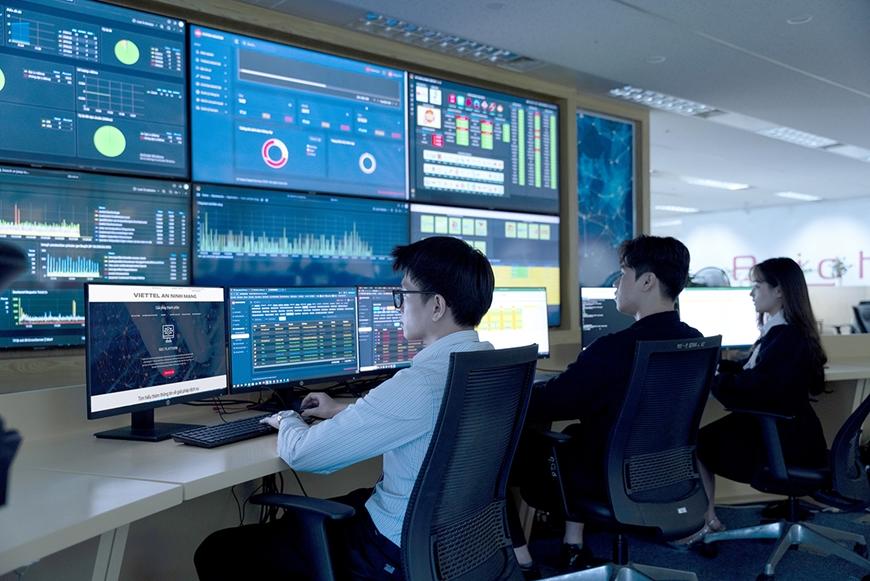
Chip fabs need not only engineers but also many skilled technicians.
Growth in the global semiconductor industry is driving demand for different types of talent in manufacturing, equipment maintenance, production management, quality inspection and technical support.
On November 5, 2026, the Associated Press reported that the US semiconductor industry faces a long-term talent-supply challenge, noting the industry could face a shortfall of up to 157,000 positions by 2030.
To address the shortage, US community colleges are expanding semiconductor career-training courses, some supported by government agencies and chip companies. For example, Rio Salado College in Arizona offers a 12-week program combining theory with cleanroom practice — about 75% of graduates found semiconductor-related work after training.
This kind of career training reflects an important change: semiconductor jobs are no longer limited to the traditional university path. Different roles can receive different levels of professional training based on the work.
Operates production equipment, monitors process flows, runs wafer production and keeps production records.
Suitable for vocational education and manufacturing-experienced staff.
Maintains production equipment, troubleshoots faults, performs operation checks and optimizes equipment performance.
Suitable for mechatronics, automation and mechanical engineering talent.
Checks product quality, analyzes data, identifies defects and controls production quality.
Suitable for electronics, materials, inspection and quality-management talent.
Maintains servers, networks, data-center equipment and infrastructure.
Suitable for computing, networking and IT-operations talent.
Students can enter the tech industry through specialized study; traditional manufacturing workers who want to switch can receive new-skills training; companies can raise employee skill levels through internal training.
Note: actual job numbers, salaries and hiring conditions depend on country, company and position. Short courses do not mean a graduate can immediately handle every engineer role. Source: Associated Press, November 5, 2026.
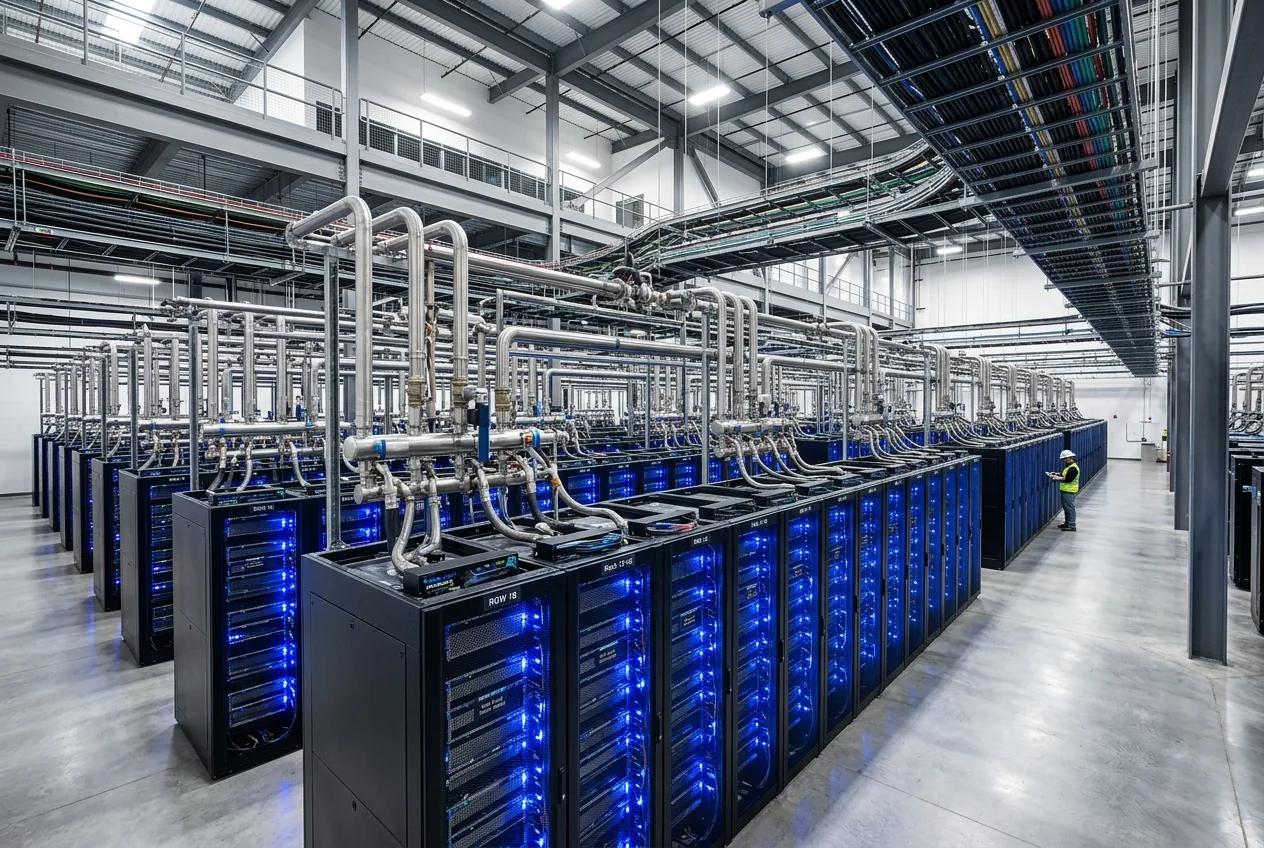
The more advanced the chip and the more complex the system, the more important security management becomes.
When AI chips, servers, cloud computing and industrial control systems are connected, a company’s security boundary also expands. A server may store customer data, contracts, financial records and production data; an industrial control system may connect factory equipment and production lines; an AI system may touch internal documents and personal user information.
If one link has a security problem, the whole business system can be affected. The development of the semiconductor and AI industries therefore requires not only performance and efficiency but also attention to full-lifecycle security of hardware, software, networks and data.
Buying chips of unknown origin, refurbished components or uncertified parts can cause abnormal device performance, lower product quality and even safety hazards.
If device firmware has vulnerabilities, attackers may exploit them to disrupt operation. Update firmware promptly and adopt secure boot and integrity verification.
Factory servers, R&D systems and databases can be targets. Regular backups, access control and network segmentation reduce risk.
Uploading customer info, trade secrets and internal files to unapproved AI platforms can cause sensitive-data leaks.
Smart-factory equipment, sensors and control networks need strict segmentation to prevent an attack on the office network from spreading to the production line.
Set up supplier review mechanisms, a device asset inventory, a firmware-update policy, network access control, data classification and protection, and incident-response mechanisms. Chip security is not only the work of the IT department — it should be a shared responsibility of procurement, management, production and every employee.
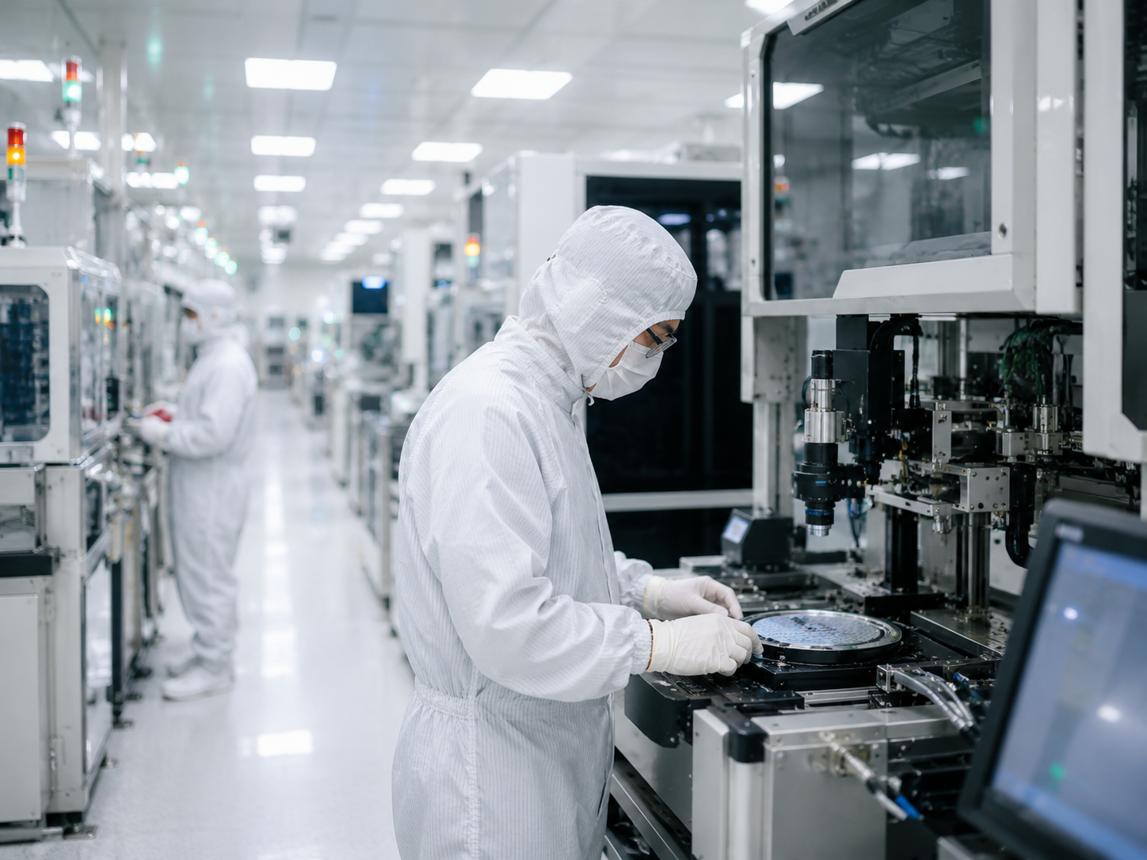
From data centers to homes, from hospitals to cars, chips are becoming essential infrastructure of daily life.
If past semiconductors mainly powered computers and phones, today’s AI chips are giving more and more traditional devices the ability to analyze, sense in real time and automate. This technological change is not only happening in labs — it is gradually entering ordinary people’s lives.
Once seen mainly as the core component of electronic devices, chips are now a pillar of AI, healthcare, finance, automotive, industrial manufacturing, telecom and digital infrastructure.
As companies worldwide keep increasing investment in AI infrastructure, the semiconductor supply chain is meeting new opportunities. Chip designers, wafer foundries, memory makers, equipment suppliers, data-center operators and small and medium technical service firms can all take part in this round of industrial upgrading.
Chips are moving from the data center into the objects people use every day. Below are five applications already taking shape.
A car integrates many kinds of chips, including processors, sensors, communication chips, power-management chips and control chips.
As assisted driving, battery management, smart cockpits and in-car AI develop, cars demand higher performance, stability and safety from their chips.
Tomorrow’s car will not only be a means of transport — it will become a mobile intelligent terminal with complex computing power.
AI chips can support medical imaging analysis, medical data processing and the operation of diagnostic-support software.
With appropriate clinical validation and supervision by professionals, AI systems can help medical institutions organize imaging data faster, identify abnormal regions and process large amounts of information.
For hospitals this can help explore more efficient workflows; for patients, progress may improve the efficiency and accessibility of some medical services.
Note: AI results cannot directly replace a doctor’s diagnosis. Ref: oneindia.com
A new generation of consumer electronics is starting to integrate stronger on-device AI processing.
For example, phones can do real-time speech transcription, image recognition, smart translation and photo editing, while PCs can run local AI assistants and assist with writing and video editing.
As chip performance and efficiency improve, some AI features will run directly on devices, reducing reliance on cloud services.
Ref: store.acer.com
Smart-home devices connect sensors, networks and control systems through chips to enable lighting management, temperature control, energy monitoring and device automation.
In industry, smart chips can help machines recognize anomalies, analyze operating data and optimize production processes.
Ref: homebattery.ecoflow.com
The growth of AI infrastructure also creates new possibilities for individual digital work.
Individual creators, freelancers and small businesses can use AI tools for image production, video editing, copywriting, website building, data organization and customer service.
These applications do not mean everyone needs to buy expensive AI chips — many functions can be delivered through cloud platforms and ordinary computers.
Ref: medium.com
The real value of semiconductor technology is not only making chips smaller and faster — it is letting technological capability gradually flow into every industry, every company and the daily life of ordinary people.
These ten reports come together as a complete news magazine on the global AI and semiconductor industry — from the market and manufacturing layer to talent, security and everyday life.
| Report | Focus | Main Direction |
|---|---|---|
| 01 Global Chip Market | Chip firms, investors | Market growth |
| 02 Advanced Packaging | Manufacturers, suppliers | Technology & investment |
| 03 AI Data Centers | Cloud services, tech firms | Compute build-out |
| 04 High-Bandwidth Memory | Memory makers | HBM technology |
| 05 Wafer Manufacturing | Manufacturers, engineers | Production expansion |
| 06 European Manufacturing | European firms, workforce | Industrial investment |
| 07 AI & SI Integration | SMEs, IT providers | Digital transformation |
| 08 Talent & Jobs | Students, technicians | Career training |
| 09 Chip Security | Enterprises, individual users | Cybersecurity |
| 10 Everyday Tech Applications | Families, consumers | Smart living |
A concise digest of semiconductor, AI compute and digital-infrastructure news from around the world.